
State of Play – Future Commerce

Defi, Web 3.0 & NFT’s in Ecommerce

Customers will seamlessly buy products off of a Web store through smart, contract-enabled distributed applications (dApps) over the blockchain. Through self-executing code, these transactions are immutable and trustless, leading to a reduction in product returns, chargeback fees, and credit card fraud. These smart, contract-enabled products will be guaranteed by the blockchain to be cryptographically unique and secure, increasing trust between the merchant providing the product and its customers.

Customers will look at these transactions no differently than any other transaction they conduct over the internet. Because of this, we will see the mass adoption of the blockchain by consumers for their retail purchase needs.
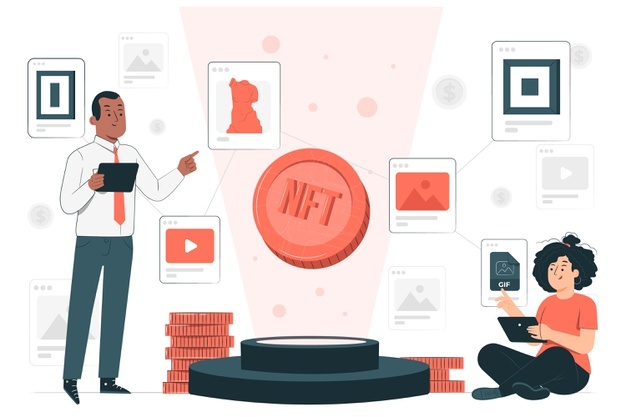
In the future, every product bought or traded online could be a unique NFT token, which could easily be used to buy other products from any company across the internet.
E-commerce loyalty programs will be rewritten by Web3

There are many potential uses for NFTs in e-commerce stores, one of the most popular being the monetization of loyalty rewards programs, which typically give you points for every dollar you spend. These points can then be redeemed for certain products or discounts on future purchases, and they can add up to big bonus items like free trips and electronics.

NFTs will allow companies to create loyalty rewards that are far more valuable. Rather than just giving customers an arbitrary number of points based on their spending, companies could issue NFT-based tokens that have a pre-defined value.


Using cryptocurrencies in e-commerce stores will become just as common as accepting Visa, Mastercard, and PayPal.

These programs are great for companies because they offer the ability to retain customers longer without needing to lower prices (which seems counterintuitive), and the loyalty rewards given out in these programs are never guaranteed to be used. Companies give out these rewards in the hope that you may want them, but there is no way for them to enforce their redemption. The consumer can decide whether or not they use their points at all, and if they do decide to redeem them, there is no guarantee that the value of those redeemed rewards will exceed what the company had to put out for them in the first place.


Consumers want control over their purchases and they want convenience. Blockchain technology will inevitably allow both.
Edge out the competition by investing in DeFi for E-commerce

Decentralized finance in E-commerce is currently trending in the real world that drove millions of users crazy for its value in the market. The E-commerce industry has become huge in recent years, and the global audience prefers fast and secure delivery. To overcome this, decentralized finance merged into various sectors to boost their business revenues into many folds. It offers the best financial transparency and security for the users.
The DeFi E-commerce platform is powered by automated smart contracts that manage the overall flow of transactions. Each transaction remains transparent and unchanged in the network. DeFi E-commerce development solutions are in great demand that has stormed the internet in recent times. There is no possibility to perform hacks or interrupt during the transactions. It keeps the dealers updated with market trends to excel their businesses.

The products available online are verified in the DeFi E-commerce platform to avoid duplication.
It offers the best payment gateway for users to experience hassle-free transactions securely in the DeFi E-commerce development platform.

It is an open-source network in the DeFi E-commerce platform development that allows anyone to access seamlessly, irrespective of their wealth or social status.


DeFi E-commerce platform has multi-level security systems like 2-Factor authentication, HTTP authentication, and Escrow protection to prevent unwanted attacks and hacks.

It provides easy procurement for the dealers to know the customer’s interest in the products and plan accordingly for the supply of goods to reach the right place at the right time.
